Buying a Home in Savannah, Georgia: 2026 Complete Guide
Savannah, Georgia is one of the most captivating cities in the American South, and in 2026, it remains one of the most desirable real estate markets in the entire state. With its cobblestone streets, stunning antebellum architecture, lush moss-draped squares, and a booming economy anchored by the Port of Savannah, this coastal gem offers something truly special for homebuyers. Whether you are a first-time buyer drawn to Savannah's charm, a remote worker seeking a vibrant city with Southern character, or an investor looking for strong rental demand, navigating the Savannah GA real estate market requires careful preparation and local knowledge. This comprehensive guide walks you through everything you need to know about buying a home in Savannah Georgia in 2026, from current market conditions to financing options, neighborhoods, and closing costs.
The Savannah Housing Market in 2026: What Buyers Need to Know
The Savannah housing market in 2026 continues to reflect the city's sustained growth and desirability. Median home prices in the Savannah metro area have stabilized after the rapid appreciation seen earlier in the decade, creating a more balanced environment for buyers compared to the intense seller's market of recent years. That said, well-priced homes in popular neighborhoods still move quickly, and competition remains real for properties in historic districts and near the waterfront.
As of 2026, the median home price in Savannah hovers around $320,000 to $360,000, though this varies significantly by neighborhood. The Historic District commands premium prices, with many properties well above $500,000, while suburban areas like Pooler, Richmond Hill, and Rincon offer more affordable alternatives for buyers who want access to the Savannah metro without the downtown price tag.
Several key economic drivers are keeping demand strong in 2026. The Port of Savannah, one of the largest and busiest ports in the United States, continues to generate thousands of well-paying jobs. Georgia's expanding film industry has also brought productions to the region, and the growth of defense-related employment at nearby Fort Stewart and Hunter Army Airfield keeps a steady stream of buyers entering the market. Tourism, hospitality, and the arts contribute to a diverse economic base that gives Savannah long-term resilience as a real estate market.
Inventory has improved somewhat compared to the historic lows of prior years, giving buyers slightly more options. However, the market still leans in favor of sellers in desirable areas, so getting pre-approved and working with a knowledgeable local agent is more important than ever. If you want to compare how Savannah stacks up against other Georgia markets, check out this Augusta Real Estate Market Overview 2026 for additional perspective on Georgia's diverse housing landscape.
Best Neighborhoods in Savannah for Homebuyers
One of the first decisions you will face when buying a home in Savannah Georgia is choosing the right neighborhood. Savannah's geography and character vary dramatically from area to area, and understanding these differences will help you find the best fit for your lifestyle and budget.
Historic District and Victorian District
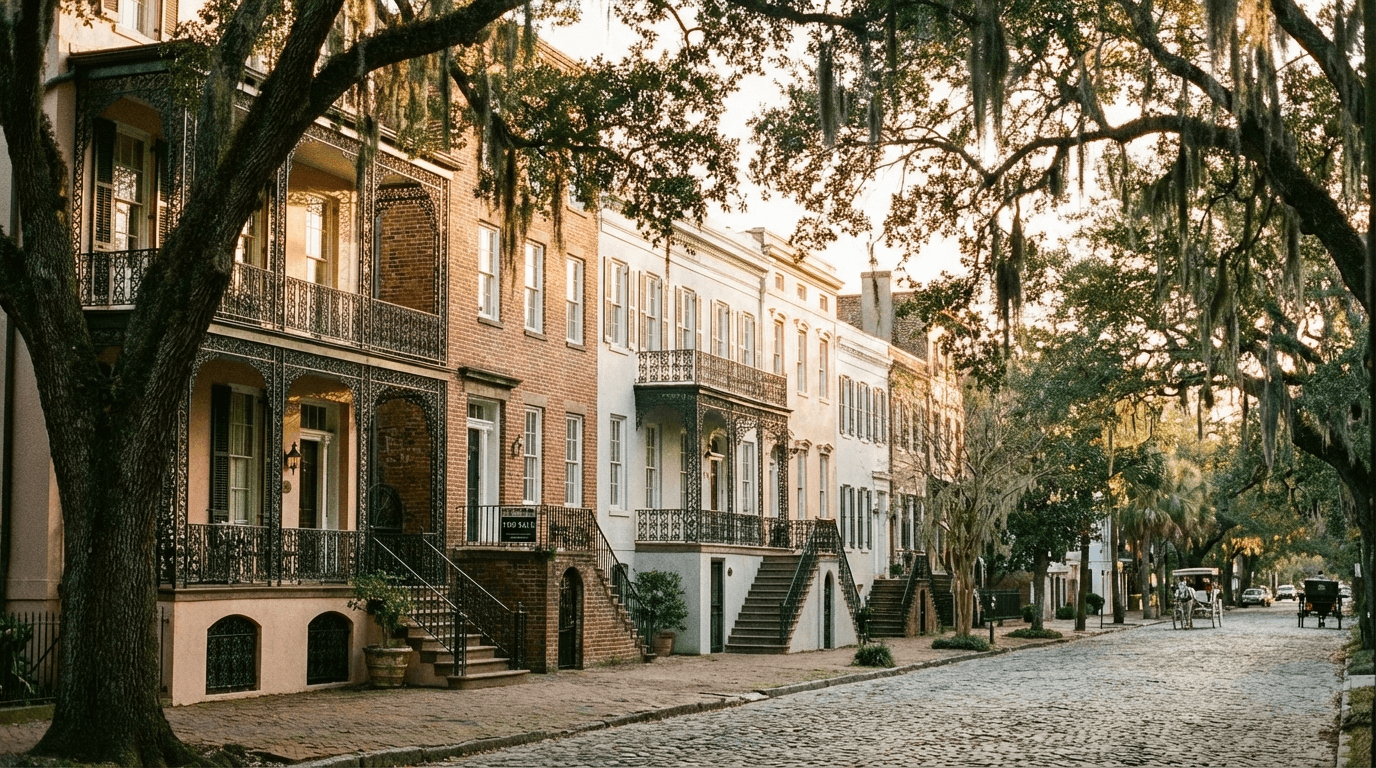
The Historic District is the heart of Savannah, featuring iconic squares, grand row houses, and some of the most photographed architecture in the country. Homes here are expensive and often require significant renovation investment due to their age, but they offer unmatched character and strong appreciation potential. The adjacent Victorian District offers similar architectural beauty at slightly lower price points and has seen strong revitalization in recent years.
Ardsley Park and Midtown Savannah
Ardsley Park is one of Savannah's most sought-after residential neighborhoods, featuring tree-lined streets, beautiful Craftsman and Colonial Revival homes, and a strong sense of community. This area tends to attract young families and professionals looking for walkability and charm at a somewhat more accessible price point than the Historic District.
Pooler and West Chatham
Pooler has been one of the fastest-growing suburbs in Georgia over the past decade. With new construction communities, excellent schools, and easy access to Interstate 16 and Interstate 95, Pooler attracts buyers who want more space and newer amenities at lower prices than urban Savannah. Median home prices in Pooler are generally 15 to 25 percent lower than in core Savannah neighborhoods.
Richmond Hill and Bryan County
Located about 20 miles south of downtown Savannah, Richmond Hill in Bryan County offers a family-friendly environment with newer developments, good schools, and access to the Fort Stewart community. Many military families and commuters choose Richmond Hill for its value and quality of life.
Savannah Mortgage Options: Financing Your Home Purchase
Securing the right Savannah mortgage is one of the most critical steps in your homebuying journey. Fortunately, buyers in Savannah have access to a wide range of loan products designed to fit different financial situations and goals.
Conventional Loans
Conventional loans remain the most common mortgage option for buyers with solid credit scores and at least a 3 to 20 percent down payment. These loans offer competitive interest rates and flexibility in terms of loan amounts, making them a strong choice for buyers purchasing in higher-priced Savannah neighborhoods.
FHA Loans
FHA loans are an excellent option for first-time buyers or those with lower credit scores who may not qualify for conventional financing. With down payment requirements as low as 3.5 percent and more flexible underwriting standards, FHA loans open the door to homeownership for many Savannah buyers who might otherwise struggle to qualify. For a detailed breakdown of how these loans work in Georgia, read this comprehensive FHA Loans in Georgia 2026 Guide.
VA Loans
Given Savannah's significant military population connected to Fort Stewart and Hunter Army Airfield, VA loans are widely used in this market. These government-backed loans offer zero down payment, no private mortgage insurance, and competitive interest rates for eligible veterans, active-duty service members, and qualifying surviving spouses.
USDA Loans
Some areas on the outskirts of the Savannah metro, particularly in Bryan and Effingham counties, may qualify for USDA rural development loans. These zero-down-payment loans can be a powerful tool for buyers willing to live outside the core urban area.
Georgia Dream and First-Time Buyer Programs
Georgia offers several state-sponsored programs that can make buying a home in Savannah more affordable, particularly for first-time buyers. Down payment assistance, competitive interest rates, and special programs for educators, healthcare workers, and veterans are all available through the Georgia Department of Community Affairs. Learn more about these opportunities in this guide to Georgia's Best First-Time Buyer Programs.
Understanding Closing Costs and Additional Expenses in Savannah
One of the most common surprises for first-time homebuyers is the full scope of costs involved in closing on a home. In Savannah and throughout Georgia, closing costs typically range from 2 to 5 percent of the purchase price, which on a $340,000 home could mean $6,800 to $17,000 in additional expenses beyond your down payment.
Common closing costs in Savannah include loan origination fees, appraisal fees, title search and title insurance, attorney fees (Georgia requires an attorney to oversee closings), recording fees, and prepaid items like homeowners insurance and property taxes. In Chatham County, where most of Savannah proper is located, buyers should also budget for transfer taxes and any HOA-related costs if purchasing in a managed community.
It is worth noting that closing costs are sometimes negotiable. In some market conditions, buyers can request seller concessions to offset a portion of these expenses. Working with a skilled buyer's agent who understands local norms can help you navigate these negotiations effectively. For a complete breakdown of what to expect, review this detailed resource on How Much Are Closing Costs in Georgia?
Beyond closing costs, Savannah buyers should budget for home inspections, pest inspections (important in the coastal Georgia climate), and potentially flood insurance if purchasing in a low-lying area. Savannah's proximity to the coast means that some properties fall within FEMA flood zones, which can add to annual insurance costs.
The Homebuying Process in Savannah: Step by Step
Understanding the homebuying process from start to finish will help you move confidently through what can otherwise feel like an overwhelming experience.
Step 1: Get Pre-Approved
Before you start touring homes, get a mortgage pre-approval from a reputable lender. This tells sellers you are a serious buyer and gives you a clear picture of your budget. In a competitive market like Savannah, sellers often prioritize offers from pre-approved buyers.
Step 2: Work with a Local Real Estate Agent
Savannah's market has unique quirks, from historic preservation requirements in the downtown area to flood zone considerations near the waterfront. A local buyer's agent will have invaluable knowledge of neighborhood dynamics, pricing trends, and negotiation strategies specific to this market.
Step 3: Lock Your Interest Rate at the Right Time
Once you have an accepted offer and are moving toward closing, deciding when to lock in your mortgage interest rate is a critical decision. Rates can shift quickly based on economic data and Federal Reserve policy, and locking at the right moment can save you thousands of dollars over the life of your loan. Get a thorough understanding of how this works by reading this guide on Understanding Mortgage Rate Locks in Georgia.
Step 4: Home Inspection and Due Diligence
Georgia's standard purchase contracts include a due diligence period during which you can inspect the property and negotiate repairs or credits. In Savannah, given the prevalence of older historic homes, a thorough inspection by an experienced local inspector is particularly important. Issues like foundation concerns, older electrical systems, plumbing, and roof condition are especially common in the Historic and Victorian districts.
Step 5: Closing
Georgia requires that a licensed real estate attorney handle the closing process. The attorney will conduct the title search, prepare closing documents, and ensure the deed is properly recorded. Closings in Georgia typically take place at the attorney's office, and buyers should be prepared to bring a cashier's check or wire funds for closing costs and the down payment.
Tips for Success When Buying a Home in Savannah Georgia
-
Research flood zones carefully. Use FEMA's flood map service to check whether a property is in a flood zone, and factor flood insurance costs into your monthly budget before making an offer.
-
Understand historic preservation rules. If you buy in a locally designated historic district, there may be strict guidelines around exterior modifications. Work with your agent and the City of Savannah's Metropolitan Planning Commission to understand what is and is not permitted before you purchase.
-
Factor in HOA fees. Many newer communities in Pooler and Richmond Hill have homeowners associations with monthly or annual fees. These costs affect your total housing payment and your qualification for a mortgage.
-
Budget for humidity-related maintenance. Savannah's humid subtropical climate can take a toll on older homes. Moisture intrusion, mold, and wood rot are real concerns, especially in homes with older construction. Budget for regular maintenance and inspection.
-
Act quickly on well-priced properties. Even in a more balanced market, move-in-ready homes priced at or below market value in desirable neighborhoods still attract multiple offers. Have your financing ready and be prepared to make a decision promptly.
-
Consider future resale value. Savannah's tourism economy and status as a college town (Savannah College of Art and Design draws thousands of students) create consistent rental and resale demand in the urban core. Think about your long-term goals when selecting a property.
Conclusion: Is Savannah the Right Place to Buy Your Next Home?
Savannah, Georgia stands out as one of the most compelling places to buy a home in the entire Southeast in 2026. Its combination of architectural beauty, economic vitality, cultural richness, and relative affordability compared to coastal markets in Florida and the Carolinas make it an exceptional choice for a wide range of buyers. Whether you are drawn to the romance of a historic downtown townhouse, the practicality of a new construction home in Pooler, or the family-friendly appeal of Richmond Hill, the Savannah metro offers options to match nearly every lifestyle and budget.
Success in this market comes down to preparation. Get pre-approved early, partner with an experienced local agent, understand your financing options including FHA and VA loans, and budget carefully for closing costs and ongoing homeownership expenses. Take the time to research neighborhoods thoroughly and understand the unique considerations that come with buying in a historic coastal city. With the right groundwork, buying a home in Savannah Georgia in 2026 can be one of the most rewarding decisions you ever make. The Hostess City of the South is ready to welcome you home.
Also see our guide on The State of the Atlanta Housing Market in 2026 for a full Atlanta market overview.
Also exploring Georgia cities? Check out our guide to buying a home in Columbus, Georgia.
If you are comparing cities across Georgia, you should also read our guide to buying a home in Macon, Georgia for a closer look at prices, neighborhoods, and financing in Middle Georgia.