Why Macon, Georgia Is One of the South's Best-Kept Secrets for Homebuyers
Tucked in the heart of Georgia, Macon is quietly becoming one of the most compelling places to buy a home in the entire Southeast. With affordable home prices, a rich cultural heritage, and a revitalized downtown scene, this city of roughly 150,000 residents offers something that bigger Georgia metros simply cannot match: genuine value. Whether you are a first-time buyer tired of being priced out of larger markets or a seasoned investor looking for strong rental yields, the Macon Georgia mortgage and housing landscape in 2026 deserves your full attention. This guide walks you through everything you need to know about buying a home in Macon GA, from current market conditions and neighborhood breakdowns to loan options and closing costs.
The Macon Housing Market in 2026: What the Numbers Tell You
Macon's real estate market in 2026 continues to stand out for its affordability relative to other Georgia cities. While markets like Atlanta and Savannah have seen median home prices climb well above national averages, Macon has maintained a price point that keeps homeownership within reach for a broad range of buyers. The median home price in Macon hovers in the low-to-mid $180,000s, making it one of the most accessible urban housing markets in Georgia.
Inventory levels have stabilized after years of pandemic-era volatility. Buyers in 2026 are finding a more balanced market, with homes typically spending 30 to 50 days on the market depending on the neighborhood and price range. This is a meaningful shift from the frenzied bidding wars of 2021 and 2022, giving buyers more time to conduct due diligence without feeling rushed into a decision they might regret.
Appreciation trends in Macon have been steady rather than explosive. Year-over-year gains in the 3 to 6 percent range suggest a healthy, sustainable market rather than a speculative bubble. For buyers who plan to stay in their homes for at least five years, current conditions represent a genuinely favorable entry point. If you want to understand how Macon compares to the rest of the state, it helps to review The State of the Atlanta Housing Market in 2026, which illustrates just how dramatically prices and competition differ across Georgia's metro areas.
Neighborhoods Worth Knowing Before You Buy
One of the most important steps in your Macon homebuyer guide 2026 journey is understanding the city's distinct neighborhoods. Macon is not a monolithic housing market. Different areas cater to very different lifestyles, budgets, and long-term investment goals.
Ingleside and Shirley Hills
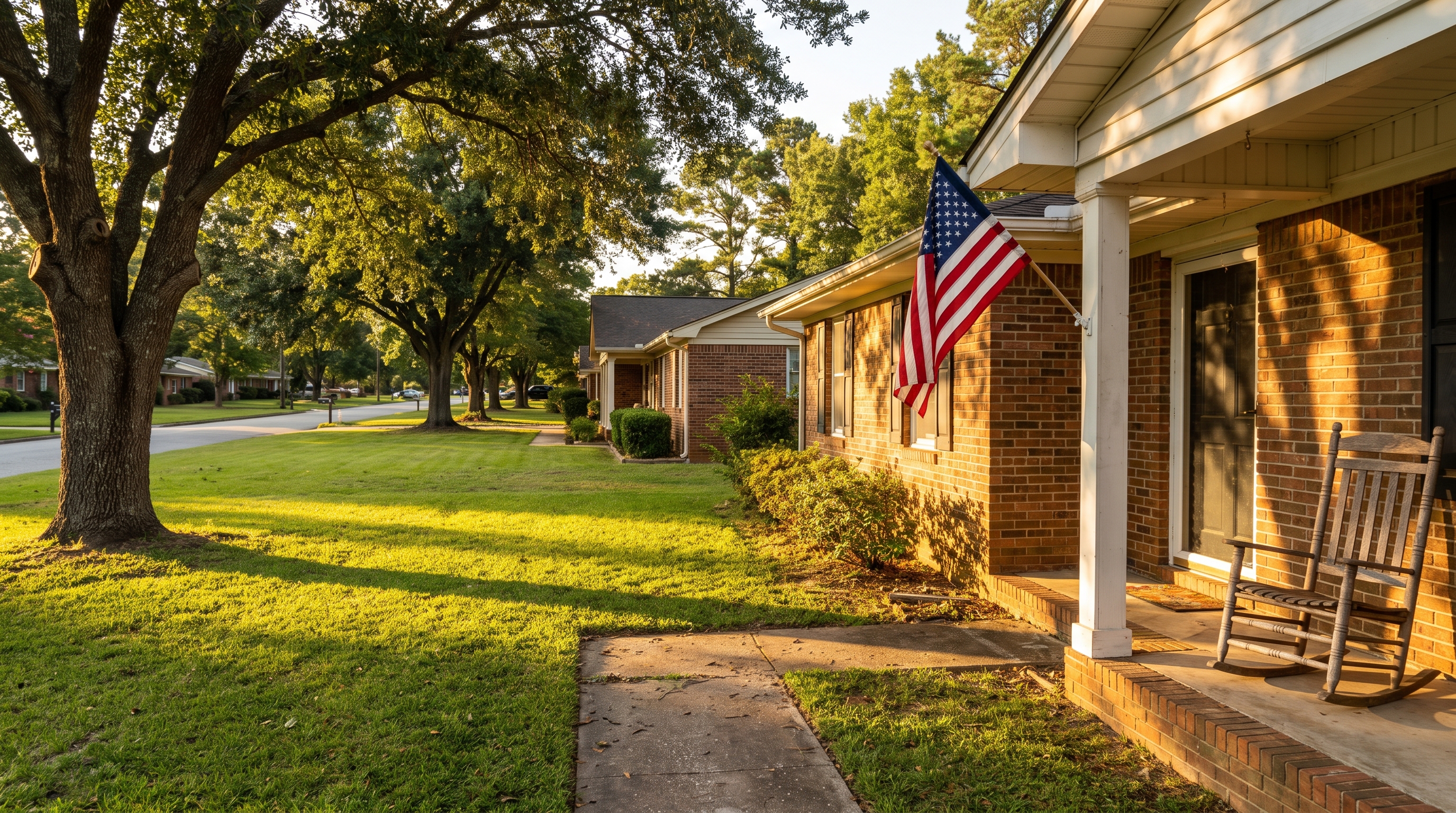
These established neighborhoods on the west side of Macon are popular with professionals, families, and buyers who want character-filled homes at reasonable prices. Craftsman bungalows, Tudor-style houses, and mid-century ranches line tree-covered streets. Median prices in these areas typically fall between $175,000 and $280,000, depending on condition and square footage. Proximity to Mercer University gives these neighborhoods a vibrant academic energy year-round.
Historic Vineville
Vineville is one of Macon's most prestigious older neighborhoods, featuring grand Victorian and antebellum homes on wide, shaded avenues. Buyers drawn to architectural history and walkability tend to gravitate here. Prices in Vineville can range from the mid-$200,000s to well over $500,000 for fully restored showpiece properties. This neighborhood is ideal for buyers who want prestige without paying Atlanta prices.
Bloomfield and North Macon
For buyers prioritizing newer construction, good schools, and a more suburban feel, North Macon and the Bloomfield corridor deliver. Subdivisions here often feature homes built in the 1990s through the 2020s with larger lots and updated amenities. Prices generally run from $220,000 to $400,000, making this one of the more competitive segments in the local market.
Downtown Macon and the Medical District
Downtown Macon has undergone a genuine renaissance over the past decade. Mixed-use developments, renovated loft apartments, and boutique retail have transformed the urban core. Buyers interested in walkability, proximity to employment centers, and a live-work-play lifestyle are increasingly drawn here. Home prices near the Medical Center of Central Georgia tend to appeal to healthcare professionals who want a short commute.
South Macon and Warner Robins Corridor
Buyers seeking the most budget-friendly options often look south toward areas bordering Warner Robins. Homes in this corridor can be found for under $150,000, though buyers should budget for potential updates and repairs. The Warner Robins area, driven by Robins Air Force Base, brings additional economic stability to the region and creates consistent rental demand for investors.
Understanding Macon Georgia Mortgage Options in 2026
Securing the right Macon Georgia mortgage is arguably the most consequential financial decision in the homebuying process. Fortunately, buyers in Macon have access to a full range of loan products, and the city's affordable price point means more buyers qualify for favorable terms than in higher-cost Georgia markets.
Conventional Loans
Conventional loans remain the most common choice for buyers with solid credit scores and a down payment of at least 3 to 5 percent. For borrowers who can put down 20 percent, the benefit of avoiding private mortgage insurance makes conventional financing especially attractive. Given Macon's median home prices, the jumbo loan threshold is rarely an issue, meaning most buyers will qualify for standard conforming loan limits.
FHA Loans
FHA loans continue to be an excellent tool for buyers with credit scores in the 580 to 640 range or those with limited savings for a down payment. The minimum 3.5 percent down payment requirement makes FHA a go-to option for first-time buyers in Macon. Keep in mind that FHA loans require mortgage insurance premiums for the life of the loan if you put down less than 10 percent, so running the numbers against conventional alternatives is always worth doing.
VA and USDA Loans
Veterans and active-duty military personnel buying in Macon can take advantage of VA loans, which offer zero down payment and no private mortgage insurance. Given the proximity of Robins Air Force Base in neighboring Warner Robins, VA loans see significant use throughout the region. USDA loans, which also offer zero down payment, may be available in certain rural fringe areas around Macon, so it is worth confirming eligibility with a local lender.
State-Backed Programs
Georgia offers robust support for buyers who need down payment assistance or below-market interest rates. Making Homeownership Possible: Georgia's Best First-Time Buyer Programs provides a thorough breakdown of the Georgia Dream program and related initiatives that can make a meaningful difference in what you can afford, especially in a market like Macon where stretching your budget a little further can open up significantly better neighborhoods and property conditions.
What to Expect at the Closing Table in Macon
Many buyers focus intently on the purchase price and monthly payment while underestimating the costs associated with actually closing on the property. In Georgia, closing costs typically run between 2 and 5 percent of the loan amount, and Macon is no exception. On a $185,000 home, that means budgeting anywhere from $3,700 to $9,250 in closing costs on top of your down payment.
Common closing cost line items in Macon include lender origination fees, title insurance, attorney fees, property taxes prorated at closing, homeowner's insurance prepayment, and recording fees. Georgia is an attorney closing state, which means a licensed real estate attorney must be present to oversee and conduct the closing. This adds a fee to the process but also provides an important layer of legal protection for buyers.
For a comprehensive breakdown of what Georgia buyers pay at the closing table and strategies for reducing those costs, How Much Are Closing Costs in Georgia? is an essential read before you make an offer. Understanding these figures upfront prevents unpleasant surprises and helps you negotiate more effectively with sellers about who covers which fees.
How Macon Compares to Other Georgia Markets
Context matters when evaluating any real estate market. Macon's greatest strength is its price-to-value ratio compared to other Georgia cities. While Macon offers median home prices in the low-to-mid $180,000s, buyers in Savannah are competing in a market where coastal charm and tourism demand push prices considerably higher. Reading about The Savannah Housing Market in 2026: What Buyers Need to Know makes clear why so many buyers looking for affordability are turning toward Central Georgia instead.
Similarly, Augusta presents an interesting comparison point. The Augusta market benefits from the Masters Tournament's national profile and a significant military and healthcare employment base. The Augusta Real Estate Market Overview for 2026 shows a market that, while still more affordable than Atlanta or Savannah, has seen prices rise in ways that are beginning to push some buyers toward Macon as an alternative.
Macon's central location is also a strategic advantage that buyers often overlook. Sitting roughly 85 miles south of Atlanta and 80 miles northwest of Savannah, Macon offers access to major employment hubs without the premium pricing those cities demand. Remote workers and hybrid employees are increasingly recognizing that living in Macon while commuting occasionally to Atlanta is a financially smart choice that frees up tens of thousands of dollars in purchasing power.
Practical Steps for Buying a Home in Macon GA in 2026
With a solid understanding of the market, here is a practical roadmap for buying a home in Macon GA this year.
-
Get pre-approved first: In any market, sellers take pre-approved buyers more seriously. Connect with a Macon-area lender who understands local appraisal values and can close on timeline.
-
Choose a local real estate agent: A buyer's agent who specializes in Macon will know which neighborhoods are appreciating, which streets to avoid, and how to craft competitive offers without overpaying.
-
Budget beyond the purchase price: Factor in inspection costs ($300 to $500), appraisal fees ($400 to $600), closing costs, and any immediate repairs or updates the home may need.
-
Schedule a thorough home inspection: Macon has a substantial inventory of older homes, particularly in the historic neighborhoods. A qualified inspector who knows what to look for in older Georgia construction is worth every penny.
-
Understand the property taxes: Bibb County property taxes are generally reasonable, but rates vary based on homestead exemptions and millage rates that can shift year to year. Ask your agent and lender to give you accurate estimates before you commit.
-
Review HOA rules if applicable: Some North Macon and newer subdivision properties come with homeowners association fees and restrictions. Review these documents carefully during your due diligence period.
-
Negotiate strategically: With inventory levels more balanced in 2026, buyers have real leverage. Do not hesitate to ask for seller concessions toward closing costs, especially on homes that have been sitting on the market for more than 30 days.
Conclusion: Macon Is Ready for Its Moment
Macon, Georgia has all the ingredients for a strong homebuying decision in 2026: affordable prices, a stabilizing market, diverse neighborhoods, strong employment anchors, and a cultural scene that continues to grow. For buyers who have been priced out of Atlanta, Savannah, or Augusta, Macon represents a genuine opportunity to build equity in a city that is trending in the right direction without paying a speculative premium to get in.
Whether you are navigating your first purchase or adding to an investment portfolio, taking the time to understand your Macon Georgia mortgage options, the nuances of local neighborhoods, and the full cost of homeownership will put you in a position to make a confident, well-informed decision. The fundamentals here are strong, and for buyers willing to do their homework, Macon in 2026 could be one of the most rewarding real estate markets in the state.
Buyers who want another mid-sized Georgia market with strong local character should also read our Athens, Georgia homebuying guide for a look at how inventory, student demand, and mortgage planning compare in 2026.
Buyers exploring value-driven markets across the state should also check out Why Albany, Georgia Deserves Your Attention in 2026, which highlights another South Georgia market with accessible prices and long-term potential.