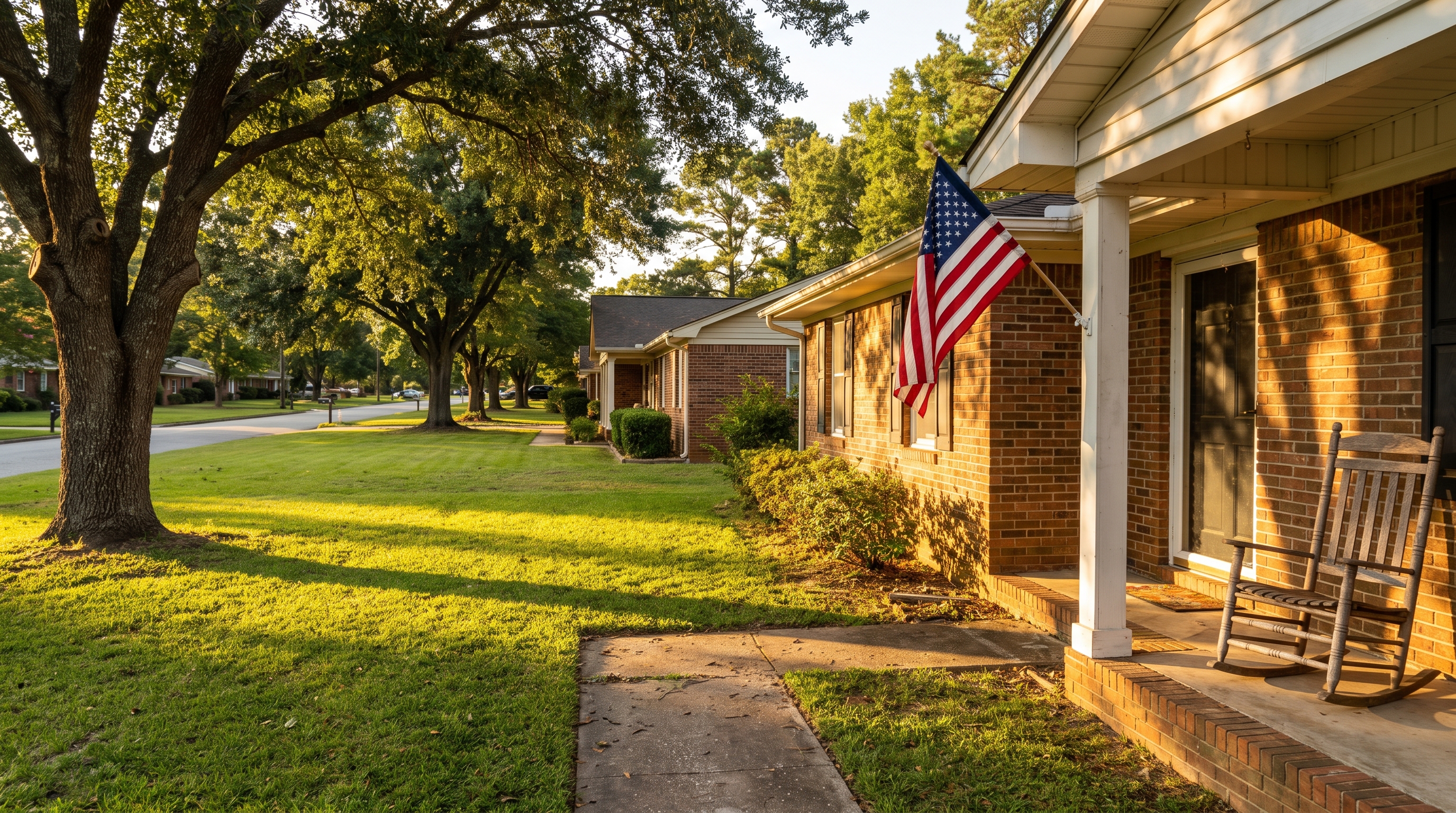
Understanding Mortgage Rate Locks in Georgia: Your Complete Guide
Buying a home in Georgia is one of the most exciting financial decisions you will ever make, but the mortgage process comes with a lot of moving parts. One of the most important and often misunderstood pieces of that puzzle is the mortgage rate lock. Interest rates can shift dramatically from one week to the next, and even a small change can mean hundreds of dollars added to your monthly payment. Knowing when to lock in your mortgage rate, how long that lock lasts, and what options you have if rates drop can save you real money and prevent a lot of stress. This guide breaks down everything Georgia homebuyers need to know about mortgage rate locks in plain language.
What Is a Mortgage Rate Lock in Georgia?
A mortgage rate lock is a lender's written guarantee that the interest rate on your home loan will stay the same for a specific period, regardless of what happens in the broader market. When you lock in a mortgage rate, you are essentially freezing the rate at its current level while your loan moves through underwriting, appraisal, and closing.
In Georgia, lenders typically offer rate locks after you have a signed purchase contract and have submitted a complete loan application. The lock agreement will specify three critical details: the interest rate, the annual percentage rate (APR), and the length of the lock period. It is a formal commitment from your lender, and it protects you from rising rates during one of the most stressful stretches of the homebuying journey.
It is important to understand what a rate lock does not do. It does not guarantee loan approval, and it does not protect you if your financial situation changes significantly before closing. Lenders can still pull your lock if you make major financial moves, like taking on new debt or changing jobs, between application and closing.
If you are still in the early stages of your homebuying journey and have not yet received a preapproval, it is worth reading our Georgia Mortgage Pre-Approval: Step-by-Step Guide before thinking about rate locks. Getting preapproved first puts you in a much stronger position when it comes time to negotiate your lock terms.
When Should You Lock In Your Mortgage Rate in Georgia?
Timing your rate lock is part strategy and part educated guessing. Nobody, not even experienced mortgage professionals, can predict with certainty where Georgia mortgage rates will go on any given day. That said, there are some practical guidelines that can help you make a smart decision.
Lock Early in a Rising Rate Environment
If rates have been trending upward over recent weeks or months, locking in sooner rather than later is usually the safer bet. Waiting for rates to dip slightly could backfire if the market continues climbing. In a rising rate environment, the security of a locked rate outweighs the potential savings of waiting.
Consider Floating in a Declining Rate Environment
If rates have been falling and economic signals suggest that trend may continue, some borrowers choose to "float" their rate, meaning they wait to lock until they feel rates have bottomed out. This is a riskier strategy because rates can reverse direction quickly. Most financial advisors recommend against floating unless you are working closely with an experienced mortgage professional who is actively monitoring the market for you.
Lock When You Are Comfortable With the Payment
Here is a practical rule of thumb: if you see a rate that produces a monthly payment you are comfortable with and that fits your budget, lock it. Chasing a slightly lower rate is tempting, but the anxiety of floating while watching rate movements is not worth it for most buyers. You can always revisit options like mortgage points to bring your rate down further after locking. For more on that strategy, check out our guide on What Are Mortgage Points and How Do They Work in Georgia?.
Lock Before Major Market Events
Federal Reserve meetings, major economic reports like jobs data and inflation numbers, and geopolitical events can all move mortgage rates significantly in a short period. If one of these events is on the horizon, locking before it occurs removes the risk of a sudden rate spike affecting your loan.
How Long Does a Rate Lock Period Last?
The rate lock period is the window of time during which your locked rate is guaranteed. In Georgia, the most common lock periods are 30, 45, and 60 days. Some lenders also offer 15-day locks for borrowers who are very close to closing, as well as extended locks of 90 days or more for new construction purchases or complex transactions.
Here is a general breakdown of how lock periods work:
-
15 to 30 days: Typically the lowest cost option, best for transactions that are nearly ready to close. Very little room for delays.
-
45 days: The most common lock period for standard resale home purchases in Georgia. Provides enough time for most closings without the added cost of a longer lock.
-
60 days: A good option if your transaction is more complex or if you want extra breathing room. Slightly higher cost than a 45-day lock.
-
90 days or more: Often used for new construction loans where the build timeline is uncertain. Extended locks can be significantly more expensive.
Longer lock periods cost more because the lender is taking on more risk by guaranteeing your rate over a longer timeframe. That cost is usually factored into a slightly higher interest rate or a fee paid at closing. Your lender should be transparent about how the length of the lock affects your pricing.
What Happens If Your Lock Expires Before Closing?
If your closing is delayed and your rate lock expires, you have a problem. The lender will either need to re-lock your rate at current market rates, which could be higher, or charge you a fee to extend the existing lock. Rate lock extensions typically cost between 0.125% and 0.25% of the loan amount per extension period, though this varies by lender.
To avoid this situation, communicate proactively with your real estate agent, loan officer, and title company to keep the transaction on schedule. If delays seem likely, ask your lender about an extension before the lock expires rather than after.
What Is a Float Down Option and How Does It Work?
One of the most valuable tools available to Georgia homebuyers in an uncertain rate environment is the float down option. A float down provision is an add-on to your rate lock agreement that allows you to take advantage of lower rates if the market drops during your lock period, while still protecting you if rates rise.
Here is how it generally works: if rates fall by a specified amount, typically 0.25% to 0.50%, during your lock period, you can exercise your float down option and capture the lower rate. If rates rise or stay flat, you are still protected at your original locked rate.
Float down options are not free. Lenders charge for them either as an upfront fee or by building a slightly higher rate into your initial lock. Whether a float down option is worth the cost depends on your specific situation and your read on where rates are heading. If you believe rates have a reasonable chance of dropping during your lock period, the float down option is worth exploring.
Not all lenders in Georgia offer float down options, and those that do will have varying terms and trigger points. Always ask your loan officer to explain exactly how the float down works before paying for it, including the minimum rate drop required to trigger it and how quickly you need to act once it is triggered.
For context on where Georgia mortgage rates currently stand, take a look at our Current Mortgage Rates in Georgia: Feb 2026 article, which gives you a current baseline for rate comparisons.
Rate Locks for Different Loan Types in Georgia
The mechanics of a mortgage rate lock are similar across most loan types, but there are some differences worth knowing depending on the type of financing you are using.
Conventional Loans
Conventional loans typically offer the most straightforward rate lock process. Most lenders will lock your rate after you have a purchase contract and have submitted your loan application. Lock periods of 30 to 60 days are standard.
FHA Loans
FHA loans are very popular with Georgia first-time homebuyers because of their lower down payment requirements. The rate lock process for FHA loans is similar to conventional loans, though FHA loans can sometimes take slightly longer to close due to additional underwriting requirements. This makes a 45 or 60-day lock often a smarter choice for FHA borrowers. If you are considering an FHA loan, our guide on What Is an FHA Loan and Why Is It Popular in Georgia? covers everything you need to know about this popular program.
New Construction Loans
Locking a rate on a new construction home in Georgia is more complicated because you often will not close for several months after signing your purchase contract. Some builders have preferred lenders who offer extended lock programs. Others may allow you to float until 60 days before your expected completion date. Be sure to understand the lock terms before signing a new construction contract.
VA and USDA Loans
VA and USDA loans, which are popular options for eligible buyers in Georgia, also have standard rate lock processes. These loans can sometimes require longer processing times, so borrowers should factor that into their lock period decision.
It is also worth noting that your loan type can affect other costs beyond just the interest rate. For example, if your down payment is less than 20%, you will likely need to factor in private mortgage insurance on a conventional loan. Our article on What Is PMI and How Does It Work in Georgia? explains how PMI affects your overall housing costs and when you can expect it to go away.
Common Mistakes Georgia Homebuyers Make With Rate Locks
Even well-prepared buyers can make avoidable mistakes when it comes to rate locks. Here are some of the most common pitfalls to watch out for:
-
Waiting too long to lock: Some buyers hesitate hoping for a better rate and end up locking at a higher rate after the market moves against them.
-
Choosing a lock period that is too short: Picking a 30-day lock to save a few dollars and then facing a delay is a costly mistake. Always build in a buffer.
-
Not getting the lock in writing: A verbal commitment from a loan officer is not a rate lock. Make sure you receive a written rate lock confirmation that specifies the rate, APR, loan program, and expiration date.
-
Making major financial changes after locking: Opening new credit cards, buying a car, changing jobs, or making large deposits into your bank accounts can all jeopardize your loan, even after you have locked your rate.
-
Assuming the lock covers everything: Your lock covers the interest rate, but not fees that may still change. Review your Loan Estimate carefully when you lock.
How to Get the Best Rate Lock in Georgia
Getting the best rate lock is not just about locking at the right moment. It is also about working with the right lender and doing your homework. Here are some practical steps to set yourself up for success:
-
Shop multiple lenders before locking. Rates and lock fee structures vary significantly across banks, credit unions, and mortgage companies in Georgia.
-
Ask each lender about their float down options, extension policies, and what happens if your closing is delayed.
-
Work with a loan officer who communicates proactively about rate trends and lock timing rather than just waiting for you to ask.
-
Keep your financial profile stable from the time you apply until closing. This protects both your lock and your loan approval.
-
Monitor Georgia mortgage rates 2026 trends through reliable sources so you have context when your lender discusses timing with you.
Conclusion
A mortgage rate lock is one of the most powerful tools available to Georgia homebuyers, and understanding how to use it effectively can make a meaningful difference in your total borrowing costs. The right time to lock depends on market conditions, your personal risk tolerance, and how far you are from closing. The right lock period depends on the complexity of your transaction and how much buffer you need. And if you want protection on both sides of the market, a float down option gives you the flexibility to capture lower rates without sacrificing your upside protection.
The key takeaway is that rate locks should be an active part of your mortgage strategy, not an afterthought. Talk to your loan officer early about lock timing, ask the right questions, and get everything in writing. Paired with a solid understanding of your full loan costs, including points, PMI, and loan type comparisons, a smart rate lock decision puts you in the best possible position to close on your Georgia home with confidence.
Related: Understanding Mortgage Rate Locks in Georgia: Your Complete Guide
If you are comparing loan types, you may also want to read our guide on adjustable-rate mortgages in Georgia to understand how ARMs stack up against fixed-rate options.
If you are considering refinancing, read our guide on mortgage refinancing in Georgia to understand the full process and when it makes sense.