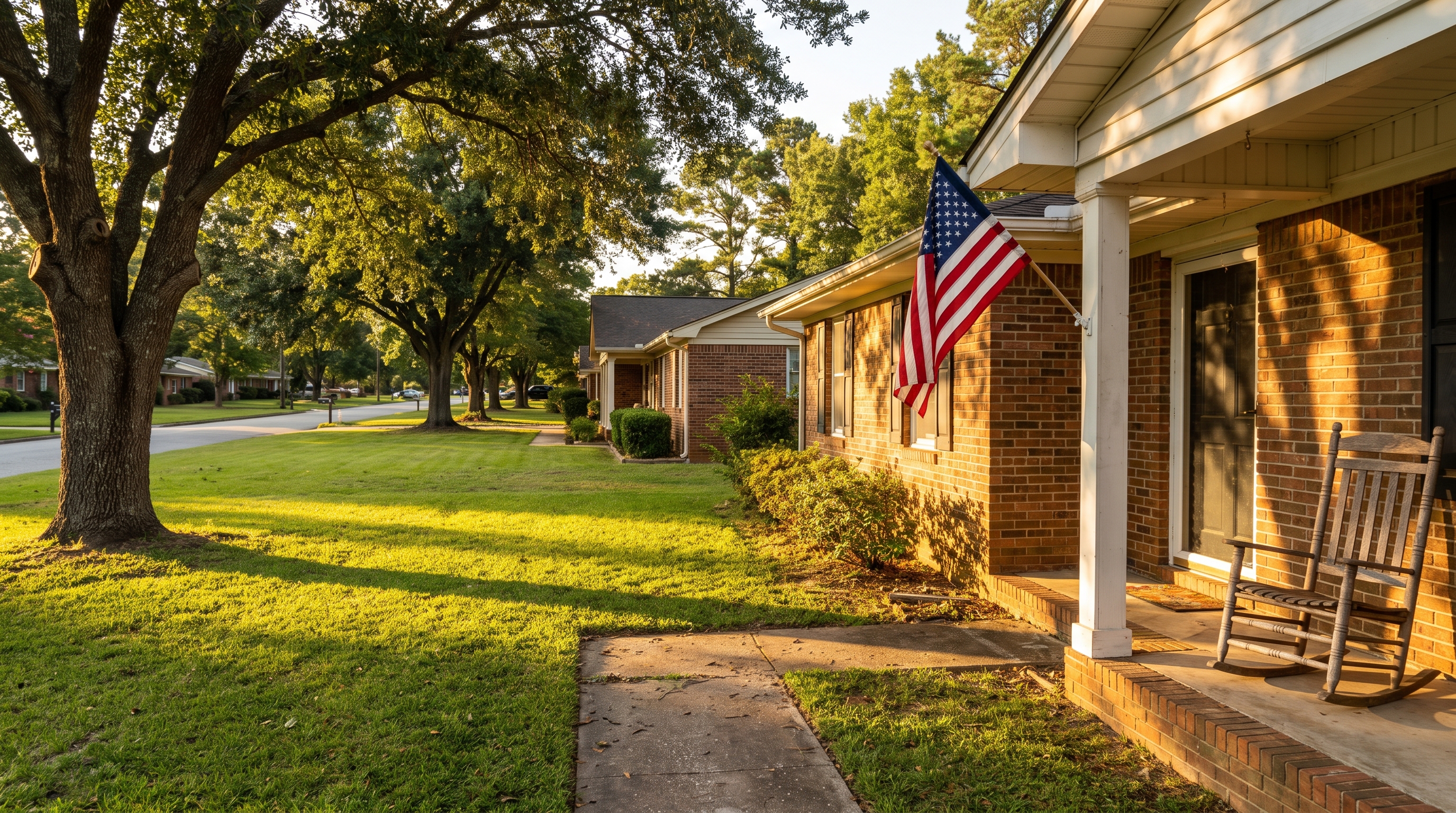
Dreaming of a Georgia Getaway? Here's What You Need to Know About Second Home Mortgages
Georgia is one of the most diverse and beautiful states in the Southeast, offering everything from the misty peaks of the Blue Ridge Mountains to the sun-drenched shores of Tybee Island and the tranquil waters of Lake Lanier. It's no surprise that thousands of buyers each year look to purchase a second home or vacation property somewhere in the Peach State. But financing a second home comes with its own set of rules, requirements, and considerations that differ significantly from buying a primary residence. Whether you're eyeing a cabin in Blue Ridge, a beach cottage on St. Simons Island, or a lakefront retreat in the North Georgia mountains, understanding how second home mortgage Georgia financing works will help you move forward with confidence and clarity.
Second Home vs. Investment Property: Why the Distinction Matters
Before diving into loan requirements and down payments, it's important to understand how lenders define a "second home" versus an investment property. This distinction has major financial implications, affecting your interest rate, down payment requirement, and the types of loans available to you.
A second home, in the eyes of lenders, is a property you intend to occupy personally for a meaningful portion of the year. It should be a single-unit dwelling, typically located a reasonable distance from your primary residence, and must not be subject to a timeshare or rental pool agreement. You must have exclusive control over the property, meaning you can't rent it out full-time through platforms like Airbnb or VRBO and still qualify it as a second home with most conventional lenders.
An investment property, by contrast, is one you purchase primarily to generate rental income or appreciation. These properties face stricter lending requirements, higher rates, and larger down payment obligations. If you're planning to rent your Georgia getaway consistently, you'll want to explore Investment Property Mortgages in Georgia to understand the full picture of what that financing path looks like.
The gray area many buyers encounter is when they want to use the home personally but also rent it out occasionally. Some lenders will allow limited rental income on a second home, but it's critical to have an honest conversation with your lender upfront about your intentions. Misrepresenting occupancy status is considered mortgage fraud, so transparency is always the right approach.
Second Home Loan Requirements in Georgia
Qualifying for a vacation home loan Georgia lenders offer is generally more demanding than qualifying for a primary residence mortgage. Here's what you can typically expect when applying:
Credit Score
Most conventional lenders require a minimum credit score of 620 for a second home, though you'll need a score of 680 or higher to access the most competitive rates. The better your credit profile, the lower your interest rate, which can translate to thousands of dollars in savings over the life of the loan.
Debt-to-Income Ratio
Your debt-to-income (DTI) ratio measures your monthly debt obligations against your gross monthly income. For a second home, lenders generally want to see a DTI at or below 43 to 45 percent. Keep in mind that your existing mortgage payment on your primary residence is included in this calculation, which can make qualifying more challenging if you carry a large housing payment already.
Cash Reserves
Lenders want assurance that you can handle two mortgage payments without financial strain. Many will require you to demonstrate two to six months of mortgage payments in liquid cash reserves for both your primary home and the new second home. This requirement is more stringent than what's asked of primary residence buyers.
Employment and Income Verification
You'll need to document a stable income history, typically with two years of W-2s and tax returns or, for self-employed borrowers, business financials. Lenders want confidence that your income is reliable enough to sustain two properties long-term.
Appraisal and Property Eligibility
The property itself must meet certain standards. It must be suitable for year-round occupancy and cannot be part of a rental pool or managed rental program. Lenders will order an independent appraisal to confirm the property's value and condition meet their guidelines.
Second Home Down Payment Georgia Buyers Should Expect
One of the most significant financial considerations when buying a vacation home is the down payment. Unlike primary residences where programs exist with as little as three percent down, second homes require a more substantial upfront investment.
For a conventional second home mortgage in Georgia, you should plan on putting down at least 10 percent of the purchase price. However, putting down less than 20 percent will trigger private mortgage insurance (PMI), which adds to your monthly costs. Most financially savvy buyers aim for 20 to 25 percent down to avoid PMI and secure better interest rates.
It's also worth noting that government-backed loans such as FHA, VA, and USDA mortgages are not available for second homes or vacation properties. These loan programs are exclusively reserved for primary residences. This means conventional financing or, in some cases, portfolio loans from local Georgia banks and credit unions are your primary options.
If you're purchasing a higher-priced vacation home in a desirable Georgia market like Sea Island or certain mountain communities, you may be looking at loan amounts that exceed conforming loan limits. In that case, understanding Jumbo Loans in Georgia becomes essential, as these loans carry their own qualification criteria and typically require larger down payments of 20 to 30 percent.
Georgia Vacation Home Financing Options
Understanding your financing options helps you choose the path that best fits your financial situation and goals. Here are the most common approaches Georgia buyers use when purchasing a vacation property.
Conventional Second Home Mortgage
This is the most common financing route for vacation home buyers. Backed by Fannie Mae or Freddie Mac guidelines, conventional second home loans offer competitive rates and flexible terms. You can choose fixed-rate mortgages (typically 15 or 30 years) or adjustable-rate mortgages (ARMs), which may start with a lower rate before adjusting based on market indexes.
Cash-Out Refinance on Your Primary Home
Some buyers tap into their existing home equity by refinancing their primary residence and pulling out cash to fund the vacation home purchase outright or make a larger down payment. This can be a smart strategy if your primary home has appreciated significantly and you want to simplify your financing with a single loan.
Home Equity Loan or HELOC
Another popular strategy is using a home equity loan or home equity line of credit (HELOC) against your primary residence to cover the down payment or purchase price of your Georgia vacation home. This approach can be cost-effective depending on current interest rates and your existing equity position. To learn more about how this works, visit our guide on Home Equity Loans and HELOCs in Georgia.
Portfolio Loans from Local Lenders
Some Georgia community banks and credit unions offer portfolio loans, meaning they hold the loan in-house rather than selling it on the secondary market. These lenders have more flexibility with their underwriting criteria and may be particularly useful for buyers whose situations don't fit neatly into conventional guidelines.
Interest Rates on Second Home Mortgages
Expect to pay a slightly higher interest rate on a vacation home loan compared to a primary residence mortgage. Lenders view second homes as higher risk because if a borrower faces financial hardship, they're more likely to default on a vacation property than their primary home. Typically, second home mortgage rates run between 0.25 and 0.75 percentage points higher than comparable primary residence rates.
Your actual rate will depend on your credit score, down payment amount, loan term, debt-to-income ratio, and current market conditions. Shopping multiple lenders and comparing loan estimates is always strongly recommended. Even a small difference in rate can mean significant savings over a 30-year loan on a property worth several hundred thousand dollars.
Costs Beyond the Mortgage: What Georgia Vacation Home Buyers Should Budget For
Owning a second home in Georgia involves ongoing costs that extend well beyond your monthly mortgage payment. Being prepared for these expenses ensures you can truly enjoy your vacation property without financial stress.
-
Property Taxes: Georgia has relatively favorable property tax rates compared to many other states, but vacation homes are not eligible for the homestead exemption that primary residents can claim. Understanding how your second home will be assessed and taxed is important. Our Georgia Property Tax Guide provides an in-depth look at how the state's property tax system works.
-
Homeowners Insurance: Insuring a vacation home can be more expensive than insuring a primary residence, particularly for coastal properties or mountain cabins that face specific risks like flooding, wind damage, or wildfire. Rates and coverage requirements vary significantly by location. Learn more about what to expect in our guide to Homeowners Insurance in Georgia.
-
HOA Fees: Many Georgia vacation communities, particularly lakefront or golf resort developments, come with homeowners association fees that can range from modest to substantial. Factor these into your monthly budget.
-
Maintenance and Upkeep: A vacation home that sits empty for stretches of time requires regular maintenance. Budget for lawn care, pest control, HVAC servicing, and potential emergency repairs. Many owners hire property management companies, which adds to ongoing costs.
-
Utilities: Even when you're not there, you'll typically maintain utilities at a baseline level to protect the property from freezing pipes, humidity damage, and other issues.
Tax Considerations for Georgia Vacation Homeowners
The tax treatment of a second home depends largely on how you use it. If you use the property exclusively for personal enjoyment and don't rent it out at all, you may still be able to deduct mortgage interest on loans up to $750,000 (for mortgages originated after December 2017) when itemizing federal deductions.
If you rent the property for fewer than 15 days per year, that rental income is tax-free and you can still deduct mortgage interest as a personal residence. However, if you rent it for 15 or more days per year, the IRS requires you to report rental income and the property enters a more complex tax situation where expenses must be prorated between personal and rental use.
Consulting with a CPA or tax advisor who understands Georgia real estate taxation before you purchase is a wise investment of time and money. State income tax rules in Georgia may also affect how rental income from your vacation property is handled.
Conclusion: Making Your Georgia Vacation Home Dream a Reality
Purchasing a second home in Georgia is an exciting goal that is absolutely achievable with the right preparation and guidance. From understanding the difference between a vacation property and an investment property to meeting second home loan requirements and budgeting for Georgia vacation home financing, there's a lot to consider. But for buyers who do their homework and work with experienced mortgage professionals, the rewards of owning a piece of Georgia's stunning landscape are well worth the effort.
Start by getting pre-qualified with a lender who specializes in second home mortgages so you know exactly where you stand financially. Research your target Georgia vacation market thoroughly, factor in all the ongoing costs of ownership, and be honest with yourself and your lender about how you plan to use the property. With careful planning and the right financing strategy, that Blue Ridge cabin or coastal cottage can move from dream to deed faster than you might think.