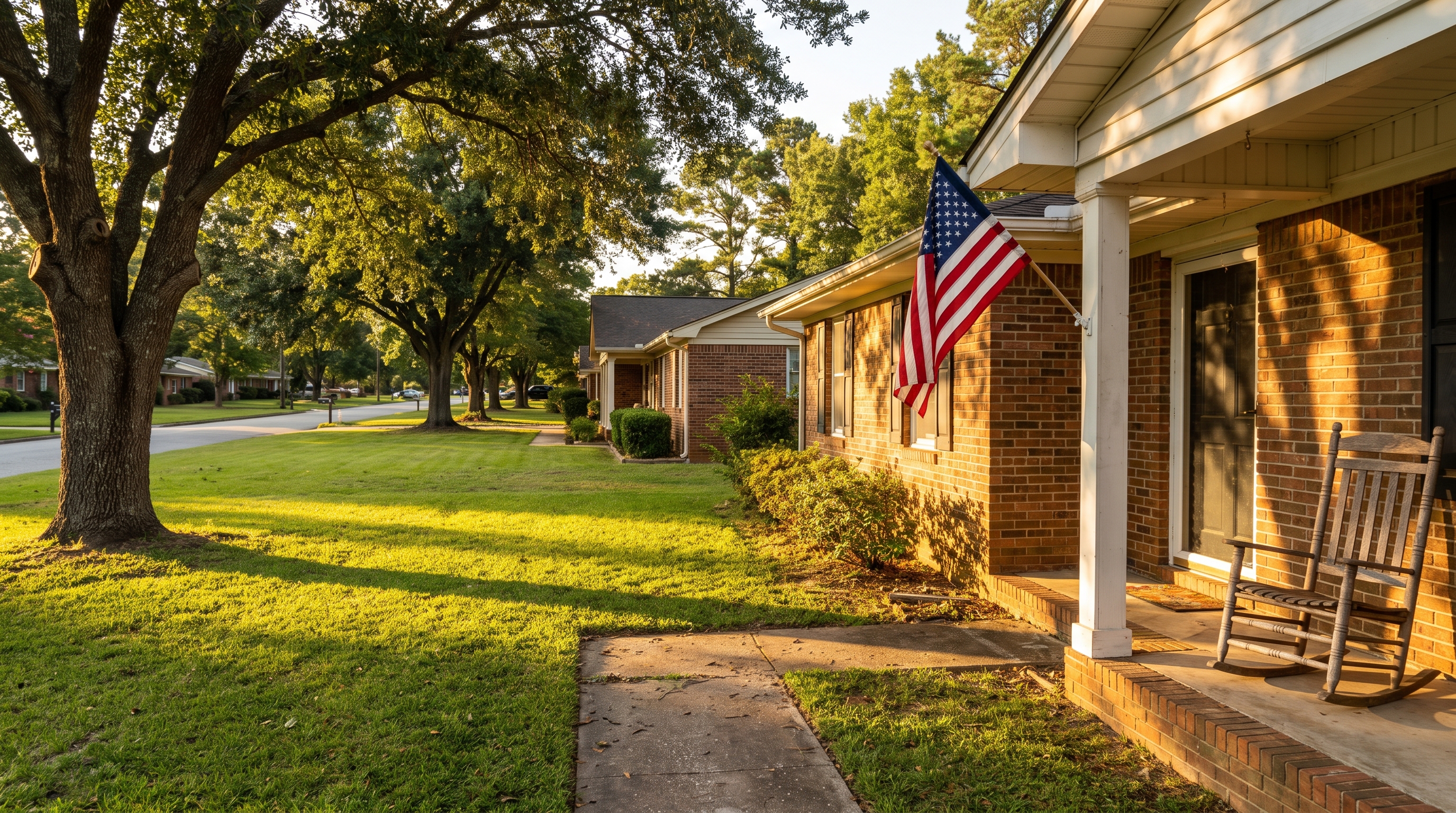
Homeowners Insurance in Georgia: Requirements, Costs, and Coverage Guide
Introduction
Homeowners insurance is a critical part of buying a home in Georgia, whether you're purchasing in Atlanta, Savannah, Augusta, or anywhere in between. Not only is it required by mortgage lenders, but it also protects your most valuable asset from damage, theft, natural disasters, and liability claims.
Georgia's unique climate brings specific insurance considerations. From severe thunderstorms and tornadoes to the occasional tropical system affecting coastal areas, understanding what your policy covers—and what it doesn't—is essential for protecting your investment.
The average homeowners insurance premium in Georgia is approximately $1,400 per year, but rates vary significantly based on location, coverage amount, home age, construction type, and your insurance history.
This comprehensive guide covers everything Georgia homeowners need to know about insurance requirements, coverage types, costs, and strategies to reduce your premiums while maintaining adequate protection.
Why Homeowners Insurance Is Required in Georgia
Lender Requirements
If you have a mortgage, your lender will require homeowners insurance. This protects their financial interest in the property. Without insurance, if the home is destroyed, you might default on the loan, leaving the lender with nothing.
Lenders typically require:
- Coverage amount equal to the replacement cost of the home (not including land)
- Named lender as mortgagee on the policy
- Proof of continuous coverage
- Automatic payment or escrow arrangement
If you let your insurance lapse, the lender can purchase "force-placed insurance" on your behalf and charge you—usually at rates much higher than you'd pay on your own.
Protecting Your Investment
Beyond lender requirements, homeowners insurance protects you from:
- Catastrophic loss: Fire, severe weather, or vandalism can cause hundreds of thousands in damage
- Liability lawsuits: If someone is injured on your property, you could face expensive legal claims
- Personal property loss: Theft or damage to your belongings
- Additional living expenses: If your home is uninhabitable due to covered damage, insurance pays for temporary housing
Georgia homeowners face specific risks including:
- Severe thunderstorms with hail and wind damage
- Tornadoes (Georgia averages 25-30 per year)
- Flooding (not covered by standard policies—requires separate flood insurance)
- Termites and wood-destroying insects (maintenance issue, not covered)
- Hurricane/tropical storm impacts in coastal areas
Types of Homeowners Insurance Coverage
Standard homeowners policies in Georgia include six main coverage types, commonly labeled HO-3 (the most common policy type).
Coverage A: Dwelling
Covers the physical structure of your home including:
- Walls, roof, floors, and foundation
- Attached structures (garage, deck, porch)
- Built-in appliances and systems (HVAC, plumbing, electrical)
Coverage amount: Should equal the cost to rebuild your home (replacement cost), not the market value. Land isn't included since it can't be destroyed.
Georgia construction costs average $100-$200 per square foot depending on materials and finishes. A 2,000-square-foot home might need $200,000-$400,000 in dwelling coverage.
Coverage B: Other Structures
Covers detached structures on your property:
- Detached garages or workshops
- Fences
- Sheds
- Gazebos
- Driveways and walkways
Typically set at 10% of Coverage A. If your dwelling coverage is $300,000, you'd have $30,000 for other structures.
Coverage C: Personal Property
Covers your belongings:
- Furniture, clothing, electronics
- Appliances
- Jewelry, art, collectibles (with limits)
- Items in your vehicle (with limits)
Usually set at 50-70% of Coverage A. For a $300,000 dwelling policy, you'd have $150,000-$210,000 for personal property.
Important limitations:
- Standard policies have sub-limits for high-value items (often $1,500-$2,500 for jewelry, $2,500 for firearms, etc.)
- For valuable items, purchase additional "scheduled personal property" coverage
- Coverage extends to belongings anywhere in the world, not just in your home
Coverage D: Loss of Use
Pays for additional living expenses if your home is uninhabitable due to covered damage:
- Hotel or rental housing
- Restaurant meals (beyond normal food costs)
- Pet boarding
- Storage for belongings
Typically 20% of Coverage A. On a $300,000 policy, that's $60,000 for temporary living expenses.
Example: Fire damages your home and repairs take 6 months. Insurance covers your apartment rental, meals, and storage while you wait.
Coverage E: Personal Liability
Protects you if someone is injured on your property or you cause damage to others' property:
- Medical bills for injured guests
- Legal defense costs if sued
- Court judgments against you
- Damage you cause to neighbors' property
Standard coverage: $100,000-$300,000, but we recommend at least $300,000-$500,000.
Example scenarios:
- Guest slips on your icy steps and sues for medical bills
- Your tree falls on neighbor's house during a storm
- Your dog bites a visitor
- Your child breaks a neighbor's expensive window
Coverage F: Medical Payments
Pays medical expenses for others injured on your property, regardless of fault:
- Emergency room visits
- Ambulance costs
- Follow-up care
Standard coverage: $1,000-$5,000 per person
This is "no-fault" coverage that can prevent small injuries from becoming lawsuits.
What Homeowners Insurance Doesn't Cover in Georgia
Understanding exclusions is critical:
Flood Damage
Standard homeowners policies do not cover flooding, defined as water that rises from the ground.
Why it matters in Georgia:
- Coastal areas face hurricane storm surge
- Flash flooding from heavy rain can happen statewide
- Even non-coastal areas near rivers and streams are at risk
Solution: Purchase separate flood insurance through the National Flood Insurance Program (NFIP) or private insurers.
Average cost in Georgia: $600-$900/year for standard coverage, but varies dramatically based on flood zone.
Earthquake Damage
Not covered by standard policies. Georgia has low earthquake risk but it's not zero (minor quakes do occur occasionally).
Earthquake coverage can be added by endorsement for an additional premium.
Termite and Pest Damage
Considered a maintenance issue. Regular termite inspections and treatments are your responsibility.
Given Georgia's humid climate, termites are common. Budget for:
- Annual termite inspection: $75-$125
- Treatment if needed: $500-$3,000
Mold
Generally not covered unless caused by a covered peril (like a burst pipe). Mold from poor maintenance or humidity is excluded.
Wear and Tear
Normal aging, deterioration, and lack of maintenance aren't covered:
- Aging roof that needs replacement
- Old HVAC system that stops working
- Settling foundation cracks
Insurance covers sudden, accidental damage—not predictable maintenance.
Sewer Backup
Often excluded or limited. Can be added by endorsement.
With Georgia's heavy rainstorms, sewer backup coverage is worth considering ($50-$150/year typically).
Earth Movement
Sinkholes, landslides, and settling are generally excluded. Some policies offer limited sinkhole coverage in high-risk areas.
Average Homeowners Insurance Costs in Georgia
Georgia homeowners pay an average of $1,400-$1,800 per year for homeowners insurance, which is close to the national average.
By Home Value
-
$150,000 home: $900-$1,200/year
-
$250,000 home: $1,200-$1,600/year
-
$350,000 home: $1,500-$2,000/year
-
$500,000 home: $2,000-$2,800/year
-
$750,000+ home: $3,000-$5,000+/year
By Georgia Region
Metro Atlanta (Fulton, Gwinnett, Cobb, DeKalb):
- Average: $1,400-$1,700/year
- Higher home values = higher premiums
- Some areas have higher theft rates = higher costs
Coastal Georgia (Savannah, Brunswick, St. Simons Island):
- Average: $1,800-$3,000+/year
- Hurricane risk increases rates significantly
- May require separate wind/hail deductible
- Flood insurance is essential and expensive ($1,000-$2,500+/year)
North Georgia Mountains:
- Average: $1,200-$1,600/year
- Fire risk in forested areas
- Wildfire coverage important
South Georgia (Albany, Valdosta, Tifton):
- Average: $1,100-$1,500/year
- Tornado risk
- Generally lower home values = lower premiums
Augusta/Columbus/Macon:
- Average: $1,200-$1,600/year
- Moderate risk profile
- Competitive market = better rates
Factors Affecting Your Rate
Home Characteristics:
- Age of home (newer homes cost less to insure)
- Roof age and material (newer roofs = lower rates)
- Construction type (brick > wood frame)
- Square footage
- Security systems and fire alarms
- Distance to fire hydrant and fire station
- Swimming pool (increases liability risk)
Location:
- Claims history in your area
- Crime rates
- Natural disaster risk (coast, tornado alley)
- Distance to coast
Personal Factors:
- Credit score (Georgia allows credit-based insurance scoring)
- Claims history (filing multiple claims increases rates)
- Coverage amount and deductibles
- Insurance history (continuous coverage = better rates)
Discounts:
- Multi-policy discount (bundling home + auto)
- Security system discount
- New home discount
- Claims-free discount
- Loyal customer discount
- Non-smoker discount
How to Choose the Right Coverage Amount
Dwelling Coverage (Coverage A)
Don't base it on market value. Your policy should cover the cost to rebuild, which may be higher or lower than what you paid for the home.
Steps to determine the right amount:
- Replacement Cost Estimate: Your insurer will calculate this based on:
- Square footage
- Construction quality
- Local building costs
- Special features (custom cabinets, high-end finishes)
-
Guaranteed Replacement Cost: Some policies offer this, which covers rebuilding costs even if they exceed your coverage limit. Premium option but provides the best protection.
-
Extended Replacement Cost: Covers 120-150% of your dwelling limit. Good middle-ground protection.
-
Annual Review: Construction costs change. Review your coverage annually and adjust if needed.
Common mistake: Underinsuring because you're focused on your mortgage balance or purchase price. After a total loss, being underinsured means you'll pay out-of-pocket to rebuild.
Personal Property Coverage (Coverage C)
Take a home inventory:
- Walk through each room photographing belongings
- List high-value items (electronics, jewelry, art)
- Keep receipts for major purchases
- Store inventory in cloud storage (not just on your computer in the home)
For most families, 50-70% of dwelling coverage is adequate, but if you have significant personal property, increase this.
Liability Coverage (Coverage E)
Minimum recommended: $300,000 Better: $500,000 Best: $1,000,000
Consider an umbrella policy for additional liability protection ($1-5 million) once you have significant assets to protect. Umbrella policies are inexpensive (often $150-$300/year for $1 million).
How to Save Money on Georgia Homeowners Insurance
1. Shop Around
Rates vary by hundreds of dollars between companies. Get quotes from at least 3-5 insurers:
Major Georgia insurers:
- State Farm
- Allstate
- USAA (for military families)
- Nationwide
- Liberty Mutual
- Farmers
- American Family
- Progressive
- Travelers
- Auto-Owners Insurance
Georgia-based insurers:
- Georgia Farm Bureau (excellent rates for rural properties)
- Southern Farm Bureau
Use independent agents who represent multiple companies to comparison shop easily.
2. Increase Your Deductible
Going from a $500 to $1,000 deductible can save 10-15% annually. Going to $2,500 can save 20-30%.
Only increase your deductible to an amount you can comfortably pay out-of-pocket.
3. Bundle Policies
Combining home and auto insurance with one company typically saves 15-25% on both policies.
4. Improve Your Credit Score
In Georgia, insurers can use credit-based insurance scores. Improving your credit can significantly reduce premiums.
5. Install Security and Safety Features
Discounts available for:
- Monitored security system (5-15% discount)
- Smoke detectors
- Fire alarms
- Sprinkler system
- Storm shutters (especially coastal areas)
- Impact-resistant roofing
- Deadbolts and secure locks
6. Maintain Your Home
-
Replace aging roof (roofs older than 15-20 years cost more to insure)
-
Update electrical and plumbing systems
-
Repair foundation issues
-
Keep home in good condition
Some insurers offer "new home" or "well-maintained home" discounts.
7. Avoid Small Claims
File claims only for significant losses. Multiple small claims can:
- Increase your rates dramatically
- Lead to non-renewal
- Make it harder to find coverage elsewhere
Consider paying for repairs under $2,500-$5,000 out-of-pocket to preserve your claims-free discount.
8. Ask About Discounts
Insurers offer many discounts you might not know about:
- Retiree/senior discount
- Military/veteran discount
- Professional association memberships
- Non-smoker discount
- Loyalty discount for staying with the same insurer
- Paperless billing discount
9. Review Coverage Annually
Life changes affect your insurance needs:
- Paid off mortgage? You can adjust coverage (but don't underinsure)
- Major renovations? Increase coverage
- Kids moved out? Might reduce liability needs
- Purchased expensive items? Schedule them
10. Consider a Higher Wind/Hail Deductible in Coastal Areas
If you live near the coast, you might have a separate (often higher) deductible for wind and hail damage. If you're willing to self-insure for smaller wind events, this can reduce premiums.
Special Insurance Considerations in Georgia
Coastal Wind and Hurricane Coverage
If you live in coastal counties, you may have:
- Separate wind/hail deductible (often 2-5% of dwelling coverage)
- Higher premiums due to hurricane risk
- Requirement to purchase through Georgia Underwriting Association (GUA) if you can't find coverage in the standard market
The Georgia Underwriting Association (formerly Georgia FAIR Plan) provides insurance for properties that can't obtain coverage in the voluntary market.
Flood Insurance
Who needs it:
- Anyone in a high-risk flood zone with a federally backed mortgage (required)
- Anyone in coastal areas (highly recommended even if not required)
- Properties near rivers, streams, or low-lying areas
Where to buy:
- National Flood Insurance Program (NFIP) through any licensed agent
- Private flood insurance (sometimes cheaper, sometimes better coverage)
NFIP coverage limits:
- $250,000 for dwelling
- $100,000 for contents
If you need more coverage, purchase excess flood insurance from a private carrier.
Historic Homes
Insuring historic homes in Savannah, Atlanta's historic neighborhoods, or elsewhere in Georgia presents unique challenges:
- Replacement cost may exceed market value due to special materials/craftsmanship
- Standard policies may not cover historical restoration requirements
- Consider "agreed value" policies that guarantee a specific payout
Vacation/Secondary Homes
If you own a second home in Georgia (mountain cabin, coastal condo):
- Different coverage options apply
- May cost 15-20% more than primary residence insurance
- Different liability considerations if you rent it out
If you rent out your property, you need landlord/rental dwelling insurance, not homeowners insurance.
Filing a Claim in Georgia
When to File
File claims for:
- Major damage (generally anything exceeding your deductible by $1,000+)
- Liability situations where someone is injured
- Theft of significant value
- Total or near-total losses
Consider not filing for:
- Minor damage close to your deductible
- Anything you can afford to repair yourself
- Small incidents that won't approach your deductible
The Claims Process
1. Document Damage Immediately
- Take photos and videos from multiple angles
- Make temporary repairs to prevent further damage (save receipts—this is covered)
- Don't throw away damaged items until adjuster has seen them
- Create a list of damaged/destroyed items
2. Contact Your Insurer Promptly
- Most policies require "prompt" notification
- Get a claim number
- Ask about next steps
3. Meet with the Adjuster
- The insurance company will send an adjuster to assess damage
- Be present during the inspection
- Point out all damage
- Provide documentation
4. Get Repair Estimates
- The insurer will provide an estimate
- You can get your own estimates from contractors
- If there's a big discrepancy, negotiate or request a re-inspection
5. Complete Repairs
- You're not required to use the insurer's preferred contractors
- Get multiple bids
- Make sure work is done properly
6. Receive Payment
- For dwelling damage, payment often comes in stages (initially, then after repairs)
- If you have a mortgage, the lender may be named on the check and require inspection before releasing funds
Common Claim Issues
Underpayment: If the adjuster's estimate is too low, provide contractor estimates and documentation to support your position.
Depreciation: Actual Cash Value policies pay depreciated value upfront, then recoverable depreciation after repairs are complete. Replacement Cost policies pay full replacement cost (better coverage).
Coverage Disputes: If the insurer denies coverage you believe should be covered, request a detailed explanation and review your policy. Consider hiring a public adjuster or attorney if the amount is significant.
Georgia law requires insurers to acknowledge claims within 15 days and respond with approval/denial within 40 days (in most situations).
Frequently Asked Questions
Do I need homeowners insurance if I own my home outright? It's not legally required, but highly recommended. Without a mortgage, you have more at risk—a total loss means you've lost your entire investment with no way to rebuild.
Can my insurer cancel my policy? Yes, for non-payment or material misrepresentation. After you've had the policy for 60 days, they can only cancel for these reasons. They can non-renew at the end of your policy term with proper notice.
How often should I review my coverage? Annually, and whenever you make major improvements or purchases.
What happens if I file multiple claims? Your rates will likely increase, and you may have difficulty finding coverage. Some insurers drop customers after 2-3 claims in a short period.
Should I get replacement cost or actual cash value coverage? Replacement cost. It costs slightly more but pays to replace items at today's prices, not depreciated value.
Do I need an umbrella policy? If you have significant assets ($500,000+ net worth) or higher liability risks (pool, trampoline, teen drivers, rental property), yes.
Conclusion
Homeowners insurance is a critical investment for protecting your Georgia home and financial future. While the average annual cost of $1,400-$1,800 may seem like an expense, it's insignificant compared to the financial devastation of a total loss.
The key to getting the best coverage at the best price:
- Shop around - Get multiple quotes annually
- Choose appropriate coverage - Don't underinsure to save premium
- Increase deductibles - If you can afford higher out-of-pocket costs
- Bundle policies - Combine home and auto for discounts
- Maintain your home - Prevent claims and qualify for better rates
- Review annually - Your needs change over time
Georgia's unique risks—from coastal hurricanes to inland tornadoes, from humid-climate termites to severe thunderstorms—make proper insurance coverage essential. Take the time to understand your policy, know what's covered and excluded, and ensure you have adequate protection.
For more information on the Georgia homebuying process, check out our guides on closing costs, choosing a mortgage lender, and Georgia property taxes.
Ready to buy a home in Georgia? Shop for homeowners insurance quotes while you're getting pre-approved for your mortgage to understand your total monthly costs.
Disclaimer: This article is for informational purposes only and does not constitute insurance or legal advice. Insurance requirements, coverage, and costs vary based on individual circumstances and insurer. Consult with a licensed insurance agent for guidance specific to your situation.