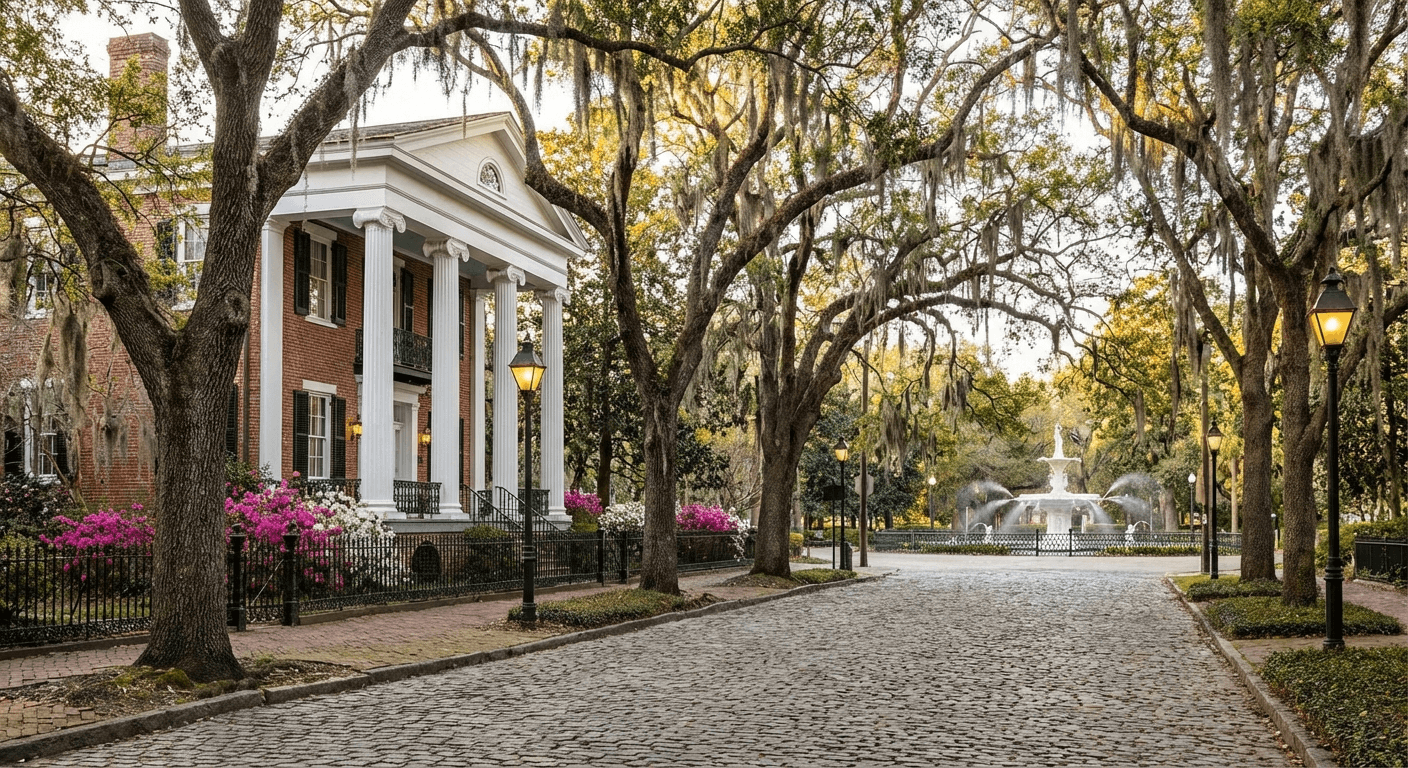
There's no place quite like Savannah. Spanish moss draped over ancient oaks, historic squares designed by Oglethorpe, a walkable downtown that feels more European than American, and a slower pace of life that draws people from across the country.
If you're considering buying a home in Savannah, you're not alone. The city has seen steady population growth as remote workers, retirees, and families discover what locals have always known: Savannah offers a quality of life that's hard to match.
Savannah's Real Estate Market in 2026
-
Median home price: $340,000-380,000
-
Days on market: 25-45 days
-
Year-over-year appreciation: 4-6%
Demand drivers include remote work relocations, military families, retirees, SCAD students and faculty, and tourism industry employment.
Savannah Neighborhoods: A Buyer's Guide
Historic District
The crown jewel—22 squares, antebellum architecture, walkable urban living. Price range: $400,000-$2,000,000+. Consider historic preservation rules, parking challenges, and vacation rental restrictions. Best for those prioritizing walkability and history over space.
Victorian District
Just south of Historic District, similar charm with more space and lower prices. $300,000-$700,000. More residential feel with growing restaurant scene.
Midtown/Ardsley Park/Chatham Crescent
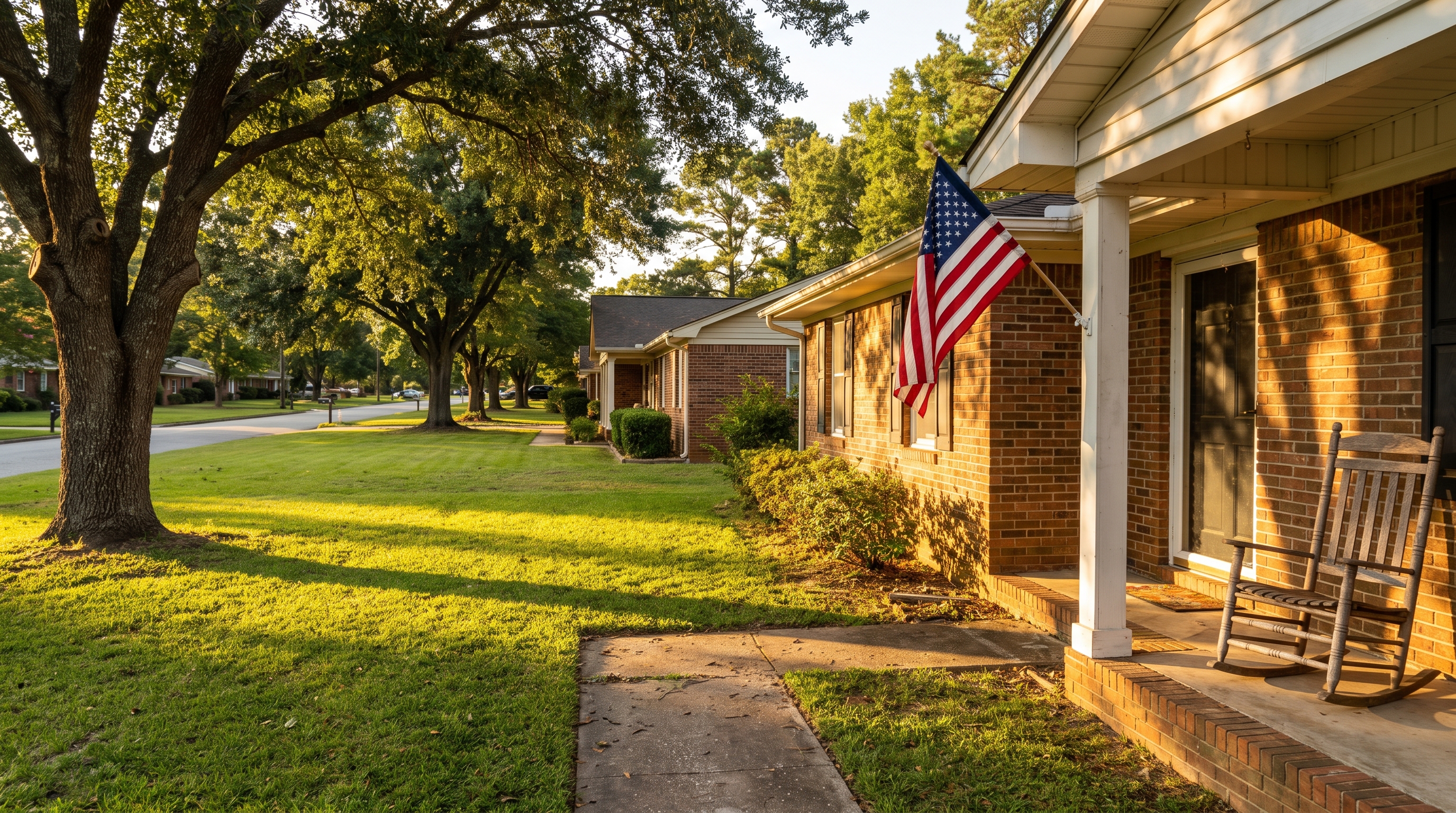
Established suburban neighborhoods with excellent schools. $350,000-$800,000. Tree-lined streets, Craftsman bungalows, strong appreciation history. Best for families.
Starland District
Savannah's arts and creative hub. $250,000-$500,000. Artsy, eclectic, rapidly evolving. Investment potential as area develops. Best for creative professionals.
Suburbs: Pooler, Richmond Hill, Wilmington Island
Space, new construction, lower prices. $250,000-$600,000 depending on area. Highly-rated schools (especially Bryan County), master-planned communities. Flood zone considerations for waterfront areas.
Tybee Island
Beach lifestyle, 20 minutes from downtown. $400,000-$1,500,000+. Flood insurance required, vacation rental potential but strict regulations. Many properties in high-risk flood zones.
Critical Considerations for Savannah Buyers
Flood Zones and Insurance
Savannah sits at sea level. Understanding flood zones is essential:
-
Zone X: Minimal risk, insurance optional (~$400-800/year)
-
Zone AE: High risk, insurance required ($1,500-$5,000+/year)
-
Zone VE: Coastal high risk ($5,000-$15,000+/year)
Factor flood insurance into your budget. See our closing costs guide for all expenses.
Historic Preservation Rules
In historic districts, exterior changes require approval—including paint colors, windows, doors, roofing, and fencing. Interior changes are generally unrestricted.
Vacation Rental Regulations
Savannah requires permits for rentals under 30 days. Some zones prohibit short-term rentals. If considering investment property, research current regulations. See our investment property loans guide.
Financing Your Savannah Home
Standard loan types available:
-
Conventional: See our conventional loan requirements guide
-
FHA: Great for first-time buyers—compare in our FHA vs. conventional guide
-
VA: For military/veterans—see our VA loans guide
-
USDA: Some areas qualify for USDA financing
-
Jumbo: For Historic District properties above $766,550—see our jumbo loan guide
Down Payment Assistance
First-time buyers may qualify for Georgia Dream Program (up to $10,000) and Savannah-specific programs. See our down payment assistance guide.
Working with Savannah Real Estate Professionals
Find agents who specialize in your target neighborhood. Historic District specialists understand preservation rules; suburban experts know school districts and builders.
Essential Inspections
-
General home inspection
-
Termite inspection (essential in coastal Georgia)
-
HVAC inspection
-
Foundation inspection (historic homes)
-
Elevation certificate (flood zone properties)
Living in Savannah
Climate: Humid subtropical. Hot summers (90°F), mild winters (55-62°F), ideal spring/fall. Hurricane season June-November.
Cost of living: Below national average for housing, higher utilities due to AC demands.
Culture: Farm-to-table restaurants, SCAD galleries, beaches, historic tours, major events (St. Patrick's Day, Savannah Music Festival).
Your Action Plan
-
Define priorities: urban walkability vs. space and schools
-
Get pre-approved with lenders familiar with Savannah's market
-
Research neighborhoods—visit at different times
-
Check flood zones before touring properties
-
Find a local expert agent
-
Inspect thoroughly—age and climate create unique issues
-
Plan for ongoing maintenance (historic homes require care)
For more on Georgia homebuying, explore our first-time buyer grants and best cities to buy in Georgia.
Comparing cities? Check out our comprehensive guide to buying a home in Atlanta for Georgia's capital city market.
For more on buying in Georgia cities, see our guide on Buying a Home in Augusta, Georgia: 2026 Guide.